
The Right Site, The Right Home
A Great Home Starts With Understanding the Property Beneath It
If you already own your property, Thornhill helps develop the home around what that site offers. If you are still looking, co-owner Carla Thornhill can help identify properties that align with the kind of home and lifestyle you have in mind.
Either way, the goal is the same: Choose the right site. Then make the most of it.
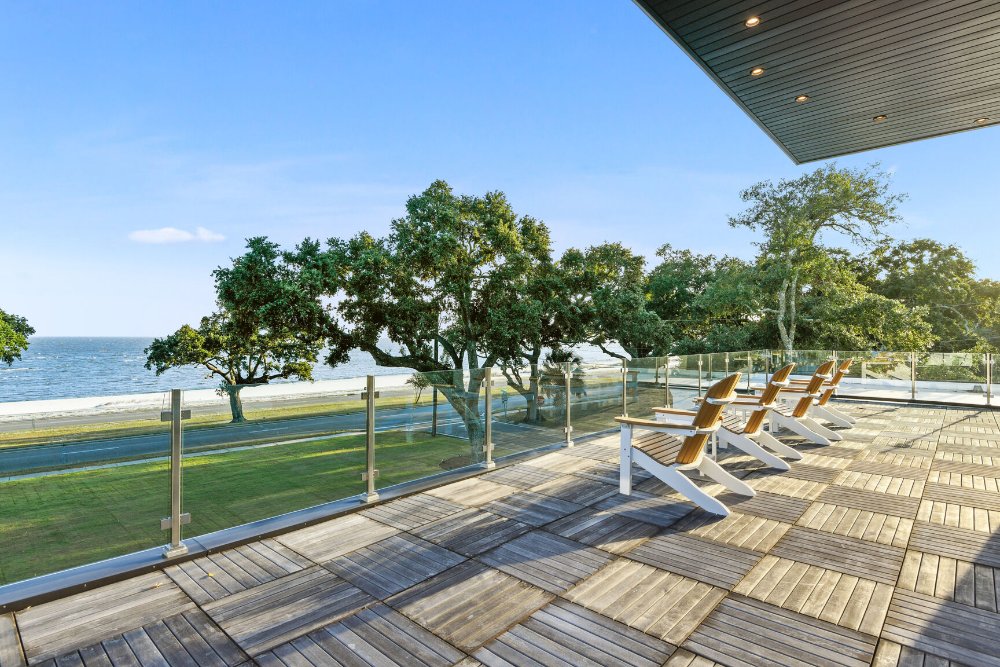
Already Own Your Lot? Start With What Makes It Unique
Owning the property is a major step. The next question is not simply, “Which house fits?” It is: “What home belongs here?”
A lot may offer a water view worth protecting. It may have an approach that changes where the garage should sit. Its flood elevation may influence the entire front entry. Drainage may make one portion of the site more practical than another. Setbacks can shape the buildable area. Sunlight, prevailing weather, and outdoor spaces can all affect orientation.
Thornhill evaluates those realities before treating the home plan as fixed, because the best result is not a house that technically fits the property; it is a house that uses the property well.
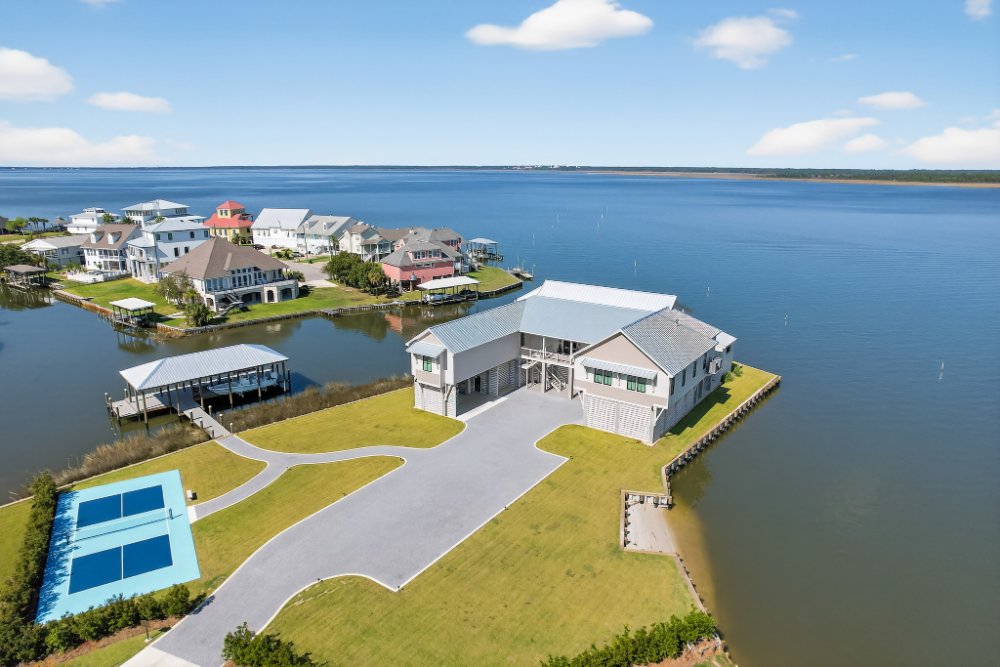
The Thornhill Difference
Thornhill connects property evaluation, plan development, concrete work, and construction instead of treating the lot as something to work around after the home is already designed.
- Clients who already own land can begin with the site they have
- Clients still searching can work with co-owner Carla Thornhill, a licensed Mississippi Gulf Coast real estate agent
- Flood zone, elevation, setbacks, access, drainage, orientation, and views are considered early
- Plan development stays connected to the actual property
- Concrete planning responds to the site and the home above it
- Site decisions stay connected to the same organization responsible for building the home
That connection matters because a great plan can still be compromised by the wrong placement. A garage can take over the side of the property with the best outdoor potential. Some properties require significant fill dirt and the cost should be evaluated within your investment expectations. A porch can face away from the view. A plan can technically fit while ignoring what made the lot worth buying in the first place.
The property should influence the plan. The plan should respond to the property. The home should feel like it belongs there.
What to Expect From Thornhill
Elevation and Flood Considerations
The required elevation of the home can affect access, porches, stairs, garages, proportions, and the overall relationship between the house and the site. Understanding those requirements early helps keep the design from working against the property.
Views and Orientation
A great view deserves more thought than simply adding larger windows. The home’s orientation influences what you see from the primary living spaces, where outdoor areas belong, how natural light enters the home, and how the property feels from inside.
Access, Setbacks, and Home Placement
Driveway location, property boundaries, setbacks, easements, buildable area, and site access can all influence where a home can realistically sit. Knowing those constraints early gives the team more room to make intentional decisions.
Soil, Drainage, and Concrete Planning
What is beneath and around the home matters. Soil conditions, drainage, flood exposure, and the structure itself can all affect how the home should meet the ground. That is why Thornhill connects site planning directly to Coastal Concrete Foundations rather than treating the two as separate conversations.
From Property to Finished Home
Start With the Property—or the Search
If you already own land, we begin with the site you have. If you are still looking, Carla can help identify properties that align with your location, lifestyle, home, and investment goals. You don't need to have the lot figured out before talking with Thornhill.
Understand the Site
Once we identify a property, we look at the conditions that will shape the project, such as elevation, flood designation, setbacks, access, drainage, orientation, views, soil and concrete considerations, and local requirements. The goal is to understand what the property is telling us before finalizing the home.
Find the Right Placement
Where the home sits can be as important as what the floor plan looks like. We consider the relationship between the house, driveway, outdoor spaces, views, neighboring properties, access, and natural site conditions. Sometimes a small shift in placement or orientation can significantly change how the home lives.
Develop the Home Around the Site
Once the property is understood, the plan can respond to it. Room placement can take advantage of views, porches can connect to the strongest outdoor spaces, windows can be positioned with more purpose, and elevation and site requirements can be considered before they become compromises later.
Connect the Site to the Build
Understanding the lot is only useful if those lessons carry into construction. Elevation, drainage, access, wind exposure, orientation, exterior materials, and local requirements can all affect the way the home comes together. Thornhill keeps those site-specific considerations connected to the construction team, so what we learn about the property early in the process does not get lost once building begins.
Ready to Build?
Start planning your Gulf Coast home with a team that can guide you from first ideas to final walkthrough.
Learn More AboutBuilding on Your Lot
What if I Haven’t Found My Property Yet?
You can still start the conversation with Thornhill. Co-owner Carla Thornhill, a licensed Mississippi Gulf Coast real estate agent, can help identify properties that align with your location, home, and lifestyle goals before plan development begins.
Can Thornhill Build on a Lot I Already Own?
Yes. Thornhill can evaluate the property and develop or adapt the home around site-specific considerations such as elevation, flood zone, setbacks, orientation, drainage, access, views, and concrete requirements.
Should I Buy Land Before Talking to a Builder?
Not necessarily. Talking with a builder earlier can help you understand which property characteristics may affect the home you want to build before you commit to a particular lot.
Can You Help Me Decide Where the House Should Sit on the Property?
Yes. Home placement can be considered in relation to views, access, setbacks, outdoor living, drainage, orientation, neighboring properties, and other site conditions.
Can I Use an Existing Floorplan on My Lot?
Potentially. An existing plan may provide a strong starting point, but it should still be reviewed against the actual property, flood and elevation requirements, orientation, and other site conditions.
Why Does Concrete Planning Matter During Site Planning?
The way the home meets the ground is directly connected to the site. Soil conditions, elevation, flood exposure, drainage, structural needs, and the home itself can all influence the appropriate approach.

The Property Is Part of the Home.
The view from the living room. The way you arrive. The porch you use every morning. The direction the house faces. The way water moves after a Gulf Coast rain. Those details begin with the site long before they become part of the finished home.
Whether you already own the right lot or still need help finding it, Thornhill brings property, planning, concrete, and construction into the same conversation.